
From the Inside.
For Your Defense.
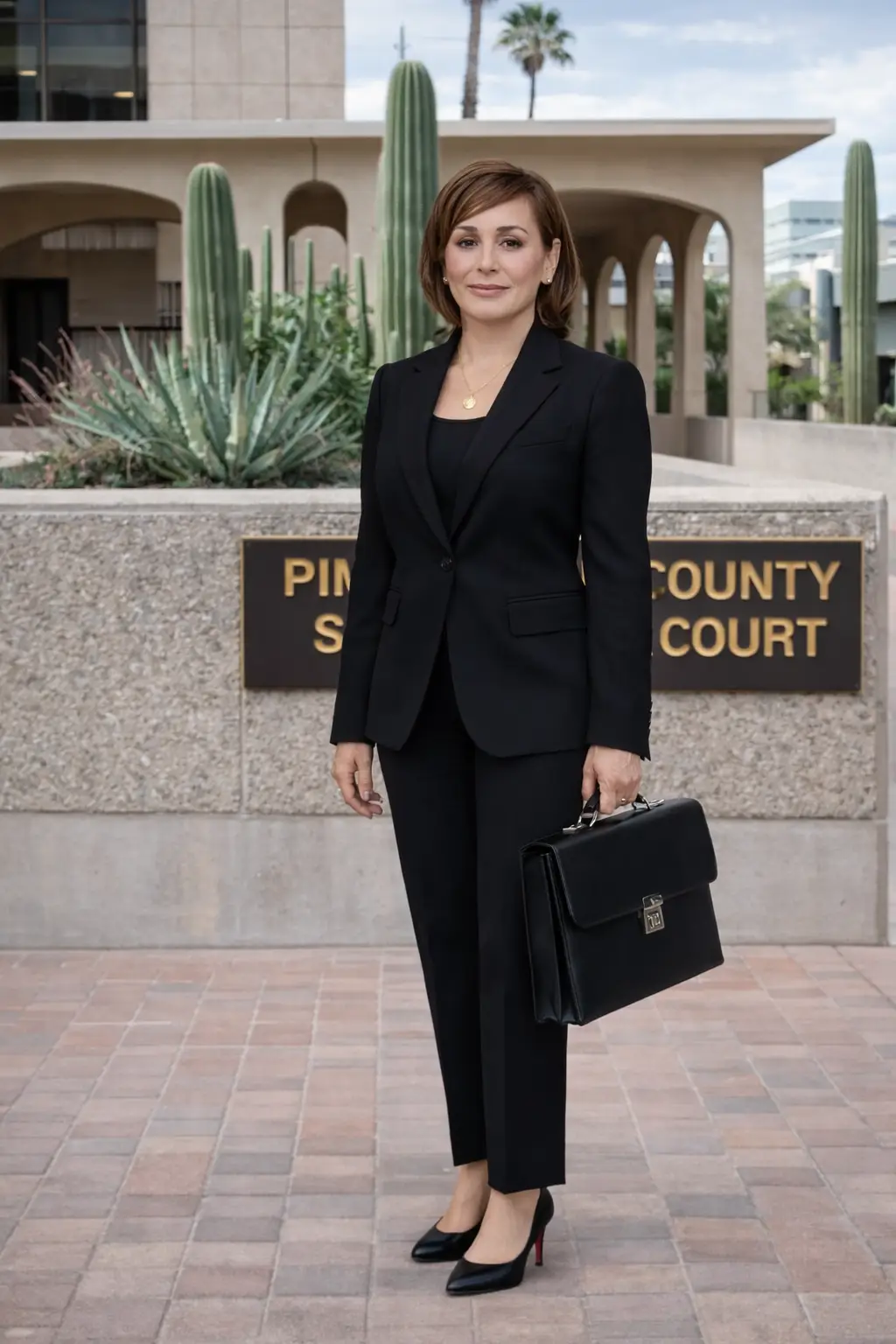
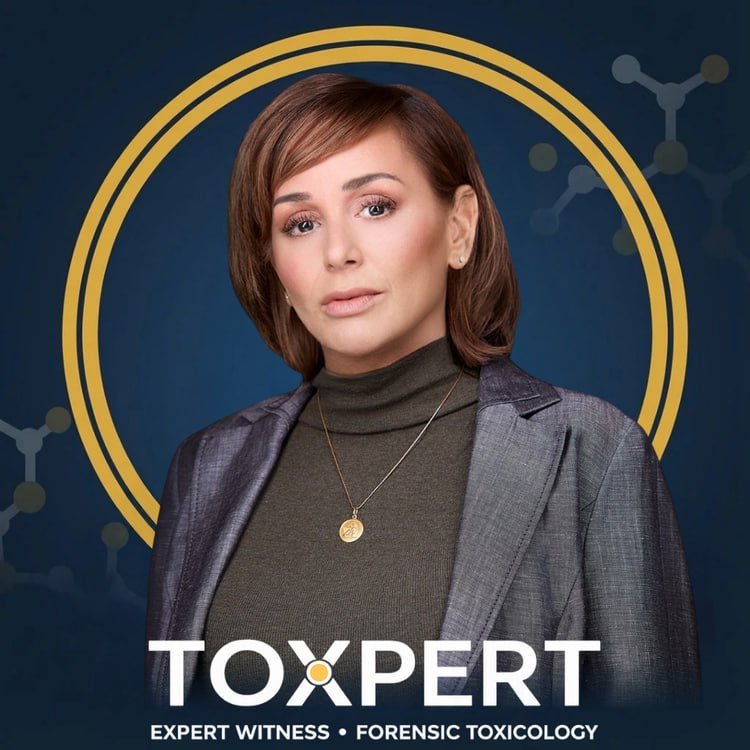
About Cheryl Kim Straub-Lopez
With 17 years of experience running Arizona’s state crime laboratories, I bring unique insider knowledge to defense teams. My background in prosecution gives me unparalleled insight into how forensic evidence is collected, analyzed, and presented in court.
17 years of producing casework for Arizona’s state crime laboratories, I bring unique insider knowledge to defense teams. My background in prosecution gives me unparalleled insight into how forensic evidence is collected, analyzed, and presented in court.
Credentials & Qualifications
- 17 Years Leading Development & Method Implementation
- Forensic Scientist IV
- LC-Q-TOF Mass Spectrometry Expert
- Court-Qualified Expert in Arizona - Superior, Justice, City & Grand Jury Courts
- CLE Instructor
The Insider Advantage
Having overseen thousands of forensic analyses from the prosecution side, I know exactly where to look for weaknesses in testing procedures, chain of custody, and result interpretation.
Expert Services
Comprehensive forensic toxicology support for defense attorneys
Case Review & Analysis
Detailed examination of lab reports, testing procedures, and chain of custody documentation.
Expert Reports
Comprehensive written reports explaining complex scientific findings in clear, accessible language.
Deposition Support
Preparation and support for deposing prosecution experts, with focus on forensic methodologies.
Trial Testimony
Clear, compelling expert testimony that educates jurors about forensic science limitations.
Cross-Examination Prep
Strategic preparation for challenging prosecution experts based on scientific principles.
Attorney Training (CLE)
Continuing legal education on forensic toxicology, drug testing, and challenging DUI evidence.
Case Types
Comprehensive forensic toxicology support for defense attorneys
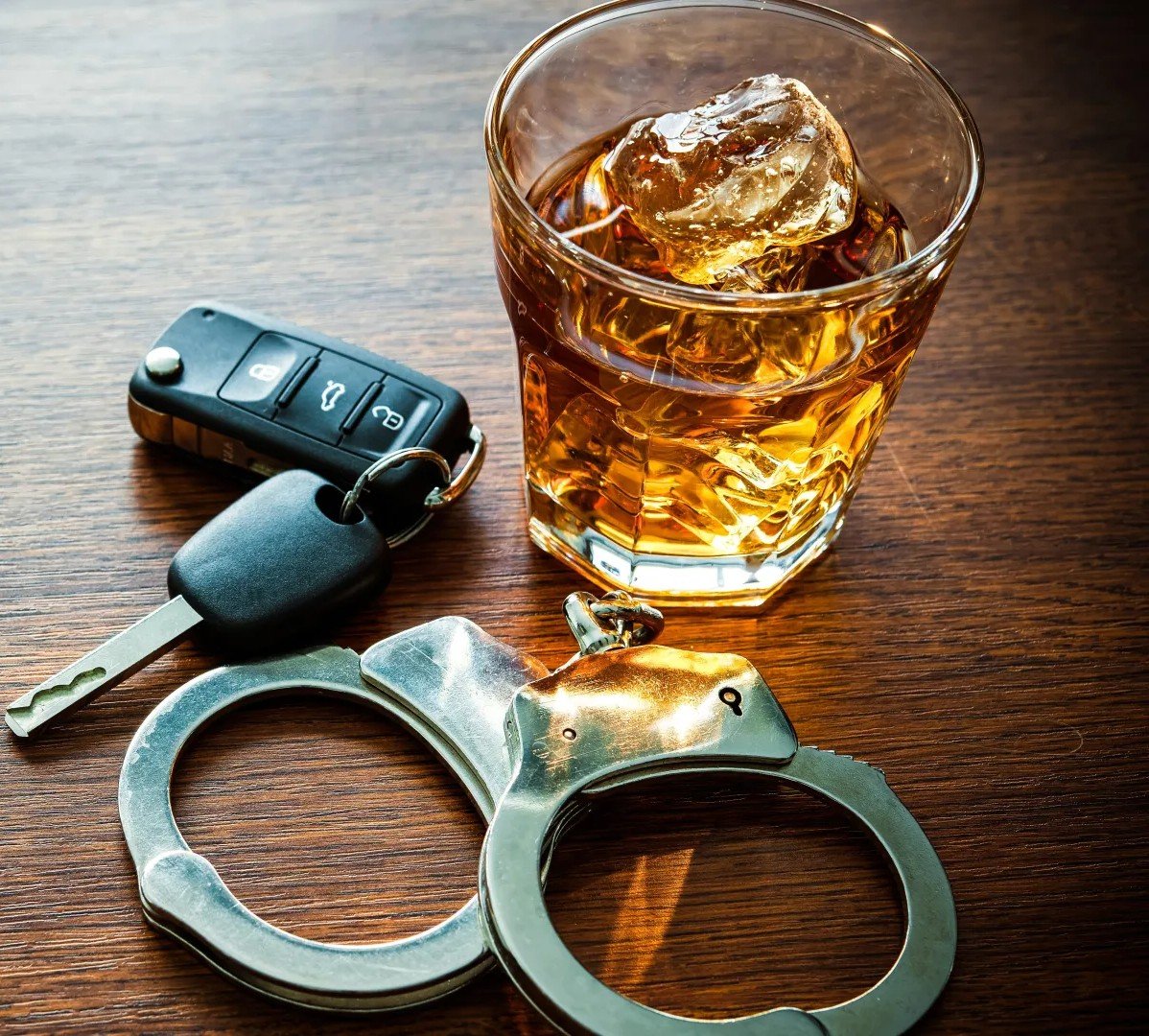
DUI Alcohol Cases (Blood/Breath)
Blood & breath test challenges
Examining calibration records, maintenance logs, and operator certification for breathalyzers and blood analysis equipment.
Learn more
DUI Drugs & Cannabis
Drug recognition & impairment
Challenging drug recognition expert evaluations and toxicology results for prescription and illicit substances.
Learn more
Controlled Substances Cases
Drug recognition & impairment
Challenging drug recognition expert evaluations and toxicology results for prescription and illicit substances.
Learn more
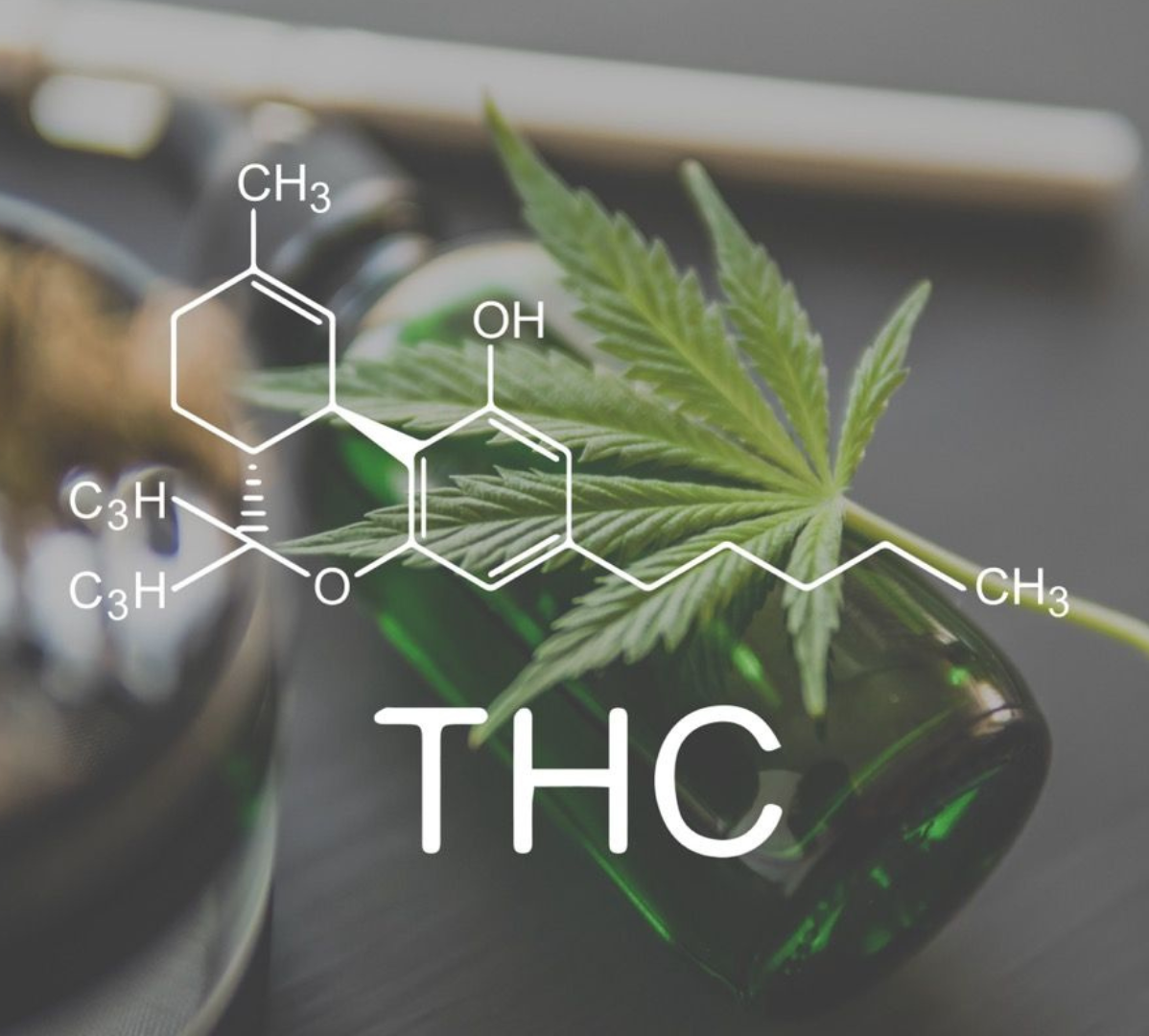
Probation, Drug Court & Family Court
Drug testing in family cases
Evaluating hair, urine, and saliva test results in custody evaluations and child protection cases.
Learn more
Drug-Facilitated Crimes
Drug recognition & impairment
Challenging drug recognition expert evaluations and toxicology results for prescription and illicit substances.
Learn more
Death Investigations & Overdose
Overdose & post-mortem
Analyzing post-mortem toxicology results in overdose deaths and wrongful death litigation.
Learn more
17+ Years Forensic Toxicologist
Leading Development & Method Implementation
18,000+ Cases Analyzed
Comprehensive forensic experience
450+ Trial Appearances
Courtroom-tested expert testimony
LC-Q-TOF Expertise
Advanced mass spectrometry analysis
Download Complete CV
Access Cheryl’s full curriculum vitae, including detailed credentials, publications, court qualifications, and complete case experience history.
Frequently Asked Questions
Common questions about forensic toxicology services
What does a forensic toxicologist actually do?
A forensic toxicologist analyzes biological samples (blood, urine, hair) to detect and measure drugs, alcohol, and other substances. In legal cases, we interpret those results — explaining what was present, what concentrations mean, and whether the science supports impairment or other claims. We review lab procedures, identify errors, and testify as expert witnesses when needed.
When should I hire a toxicology expert witness?
Hire an expert whenever your case involves blood, breath, or urine testing results that you plan to challenge or need explained. This includes DUI/DWI cases, drug possession or distribution charges, custody disputes with drug testing, workplace testing disputes, overdose or poisoning deaths, and any case where scientific evidence of substances is central. Early consultation — before depositions — gives you the best strategic advantage.
What's the difference between a screening test and a confirmation test?
Screening tests (immunoassays) are quick, cheap, and designed to catch possible positives — but they have significant false positive rates. Confirmation tests (GC-MS or LC-MS/MS) are more expensive, more specific, and definitively identify substances. Screen-only results should never be used for legal decisions. Always demand confirmation testing.
How much does a forensic toxicology expert cost?
Rates vary by expert and service. Typical ranges: case review/consultation $300-400/hour, expert reports $350-450/hour, deposition testimony $400-500/hour, trial testimony $450-550/hour. Most experts require an initial retainer ($2,000-5,000) applied against hourly billing. A thorough case review often costs $1,500-3,000 total. Complex cases requiring extensive testimony will be higher.
What documents should I send my toxicology expert for case review?
Send everything related to testing: lab reports, chain of custody forms, police reports (for DUI), blood/breath test printouts, medical records (if hospital testing involved), any discovery responses about lab procedures, and the specific legal charges or issues. More information is always better — let the expert tell you what’s relevant rather than filtering yourself.
Can you explain blood alcohol concentration (BAC) in simple terms?
BAC measures how much alcohol is in your blood, expressed as a percentage. A BAC of 0.08% means 0.08 grams of alcohol per 100 milliliters of blood. The legal limit for driving is 0.08% in all U.S. states. A typical drink raises BAC by about 0.02-0.03% in an average person, though this varies significantly based on weight, sex, food consumption, and individual metabolism.
What's the legal limit for marijuana/THC when driving?
It depends on the state. Some states have ‘per se’ limits (typically 5 ng/mL of THC in blood), meaning you’re legally impaired above that level regardless of actual impairment. Other states require proof of actual impairment. The problem: unlike alcohol, THC concentration doesn’t correlate well with impairment. A regular user might function normally at 10 ng/mL while a first-time user is impaired at 2 ng/mL.